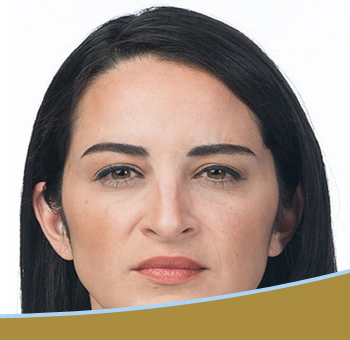

Rosacea (rose-AY-sha) is a common skin disease. It often begins with a tendency to blush or flush more easily than other people.
The redness can slowly spread beyond the nose and cheeks to the forehead and chin. Even the ears, chest, and back can be red all the time.
Rosacea can cause more than redness. There are so many signs and symptoms that rosacea has four subtypes.
Erythematotelangiectatic rosacea
Redness, flushing, visible blood vessels
Papulopustular rosacea
Redness, swelling, and acne-like breakouts
Phymatous rosacea
Skin thickens and has a bumpy texture
How do dermatologists treat rosacea?
To give you the best results, treatment often begins with a bit of education. While medicine or laser treatment can help reduce or clear signs of rosacea, your everyday habits may cause a new flare-up.
Learning how to do the following can help reduce flare-ups:
Find your triggers. Many things you do can cause rosacea to flare. Dermatologists call these tripwires “triggers.”
Common triggers for rosacea include becoming overheated, having cold wind blowing on your face, and eating spicy foods. These may — or may not — cause your rosacea to flare. People have different triggers.
It’s important to find out what causes your rosacea to flare and avoid those triggers.
Think sun protection 24/7. People who have rosacea often find that their skin is quite sensitive to the sun. To protect your skin from the sun, you’ll want to:
Apply a broad-spectrum sunscreen with an SPF 30 (or higher) every day before you head outdoors